TM0415 is the first feed technology to eliminate enteric methane not by inhibiting an enzyme, but by intercepting the electrons it needs — a fundamentally new mechanism built on our proprietary amorphous iron-sulfur cluster chemistry.
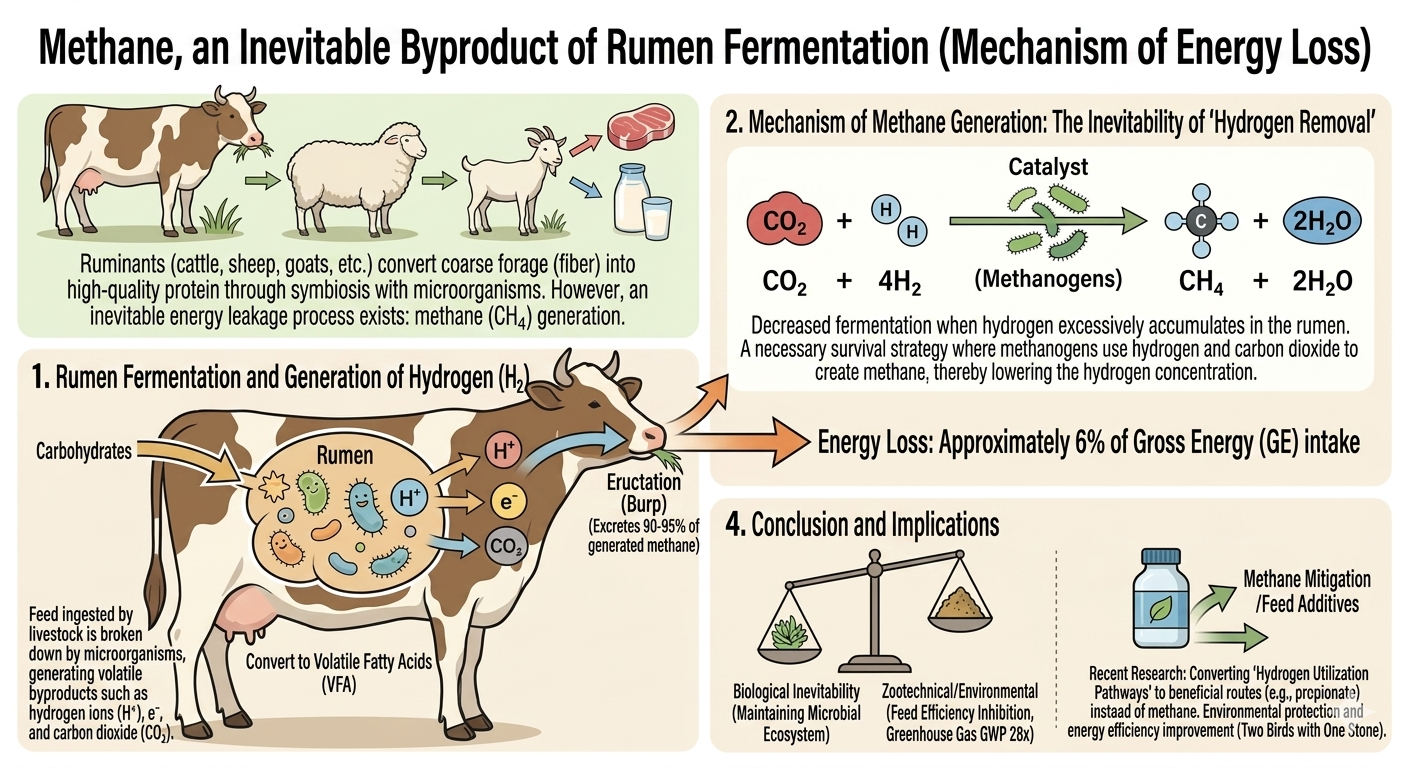
Cattle, sheep, and goats turn indigestible grass into protein — but the process releases methane, a greenhouse gas 28 times more potent than CO₂. Livestock alone now accounts for roughly 14.5% of all human-caused emissions, an impact comparable to every vehicle on Earth combined.
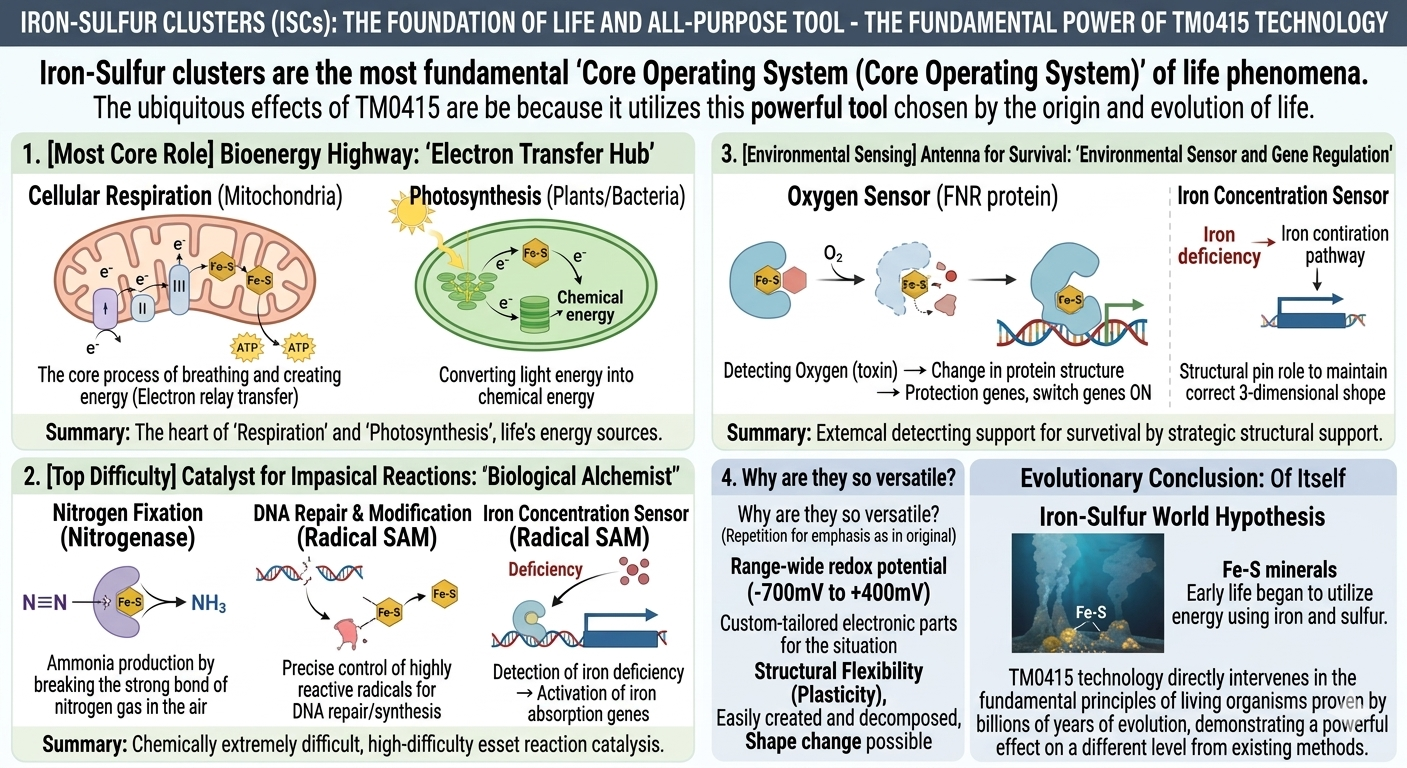
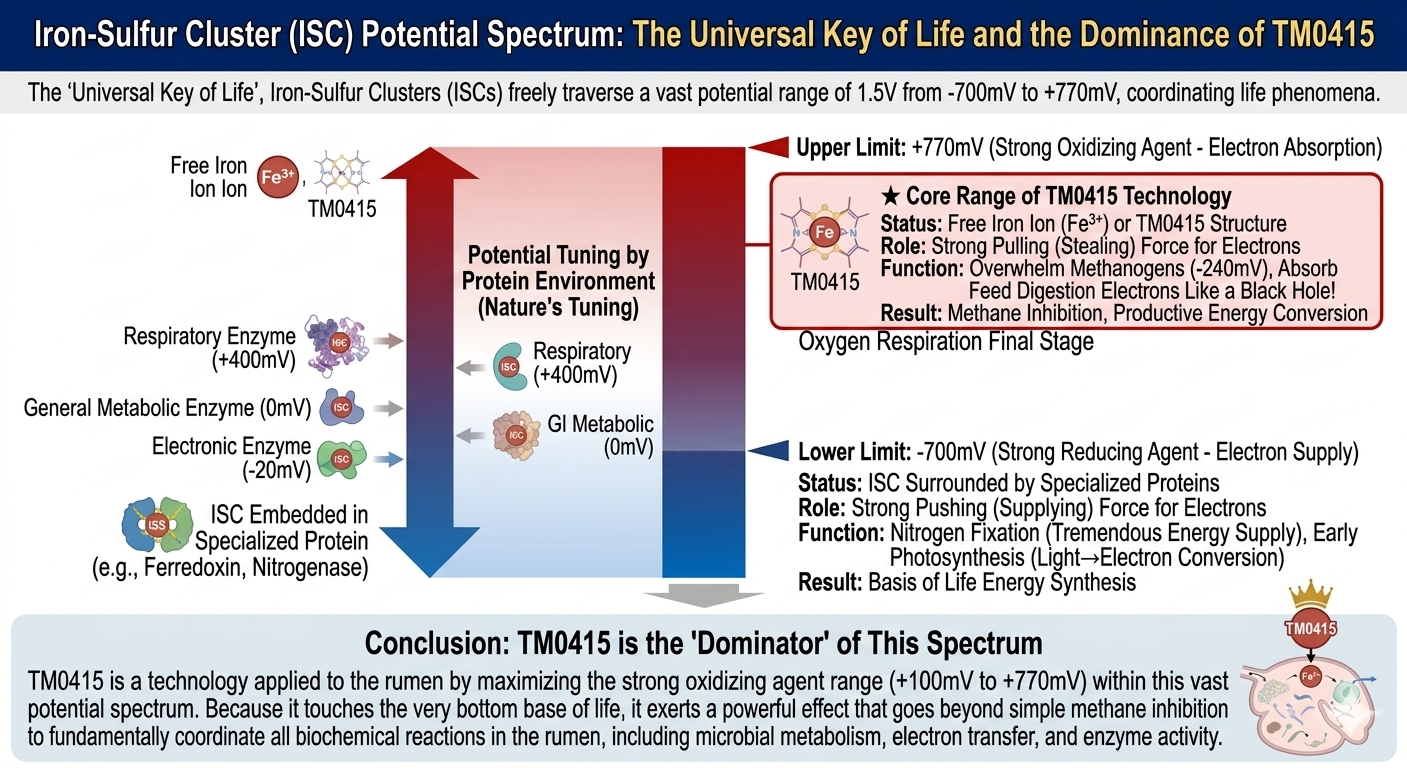
Iron-sulfur clusters are among the oldest and most versatile molecules in biology — they power respiration, photosynthesis, and nitrogen fixation across every kingdom of life. Their redox potential spans an extraordinary 1.5-volt range, from −700 mV to +770 mV.
TerraMetis has engineered TM0415 — an amorphous iron-sulfur cluster that operates at the high-oxidation end of this spectrum, giving it the electrical "pull" needed to commandeer electron flow inside the rumen, without ever binding to a single enzyme.
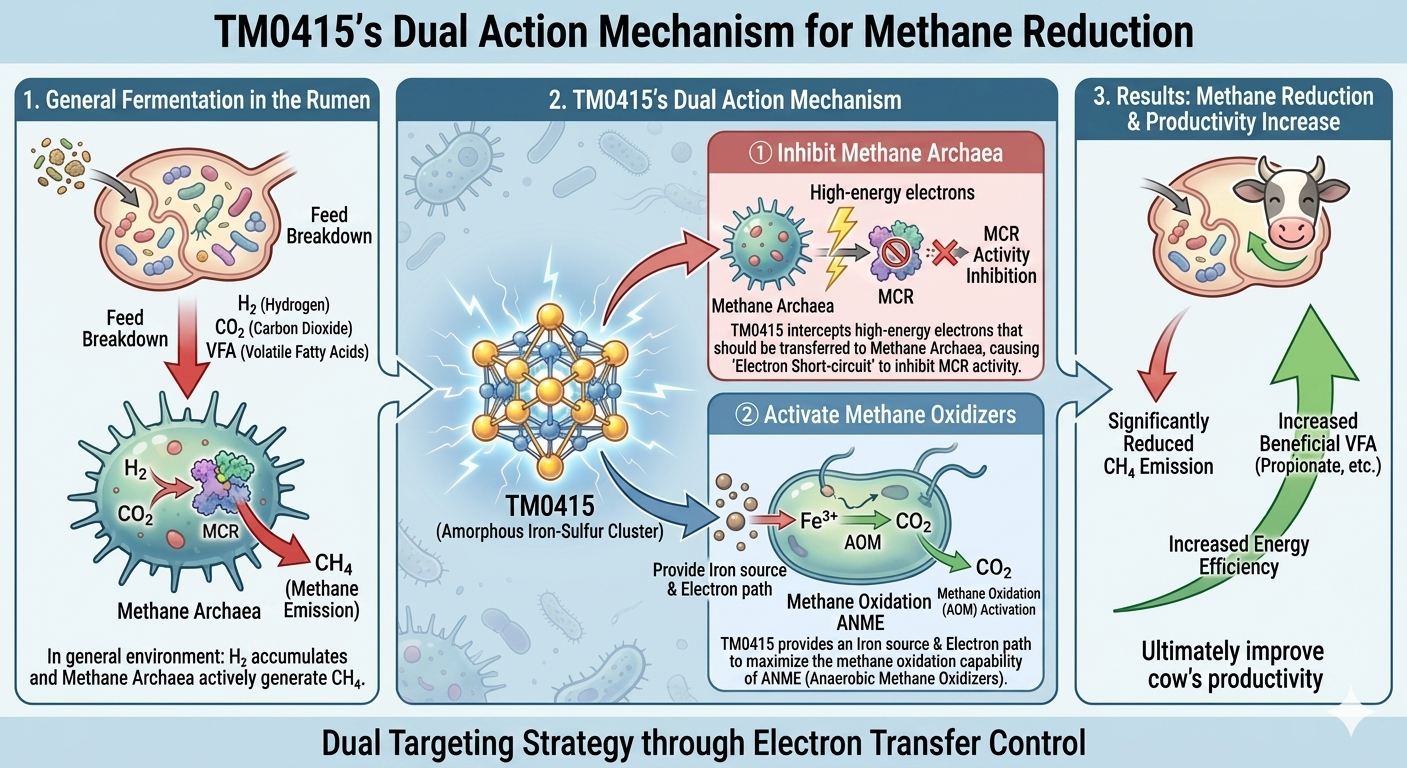
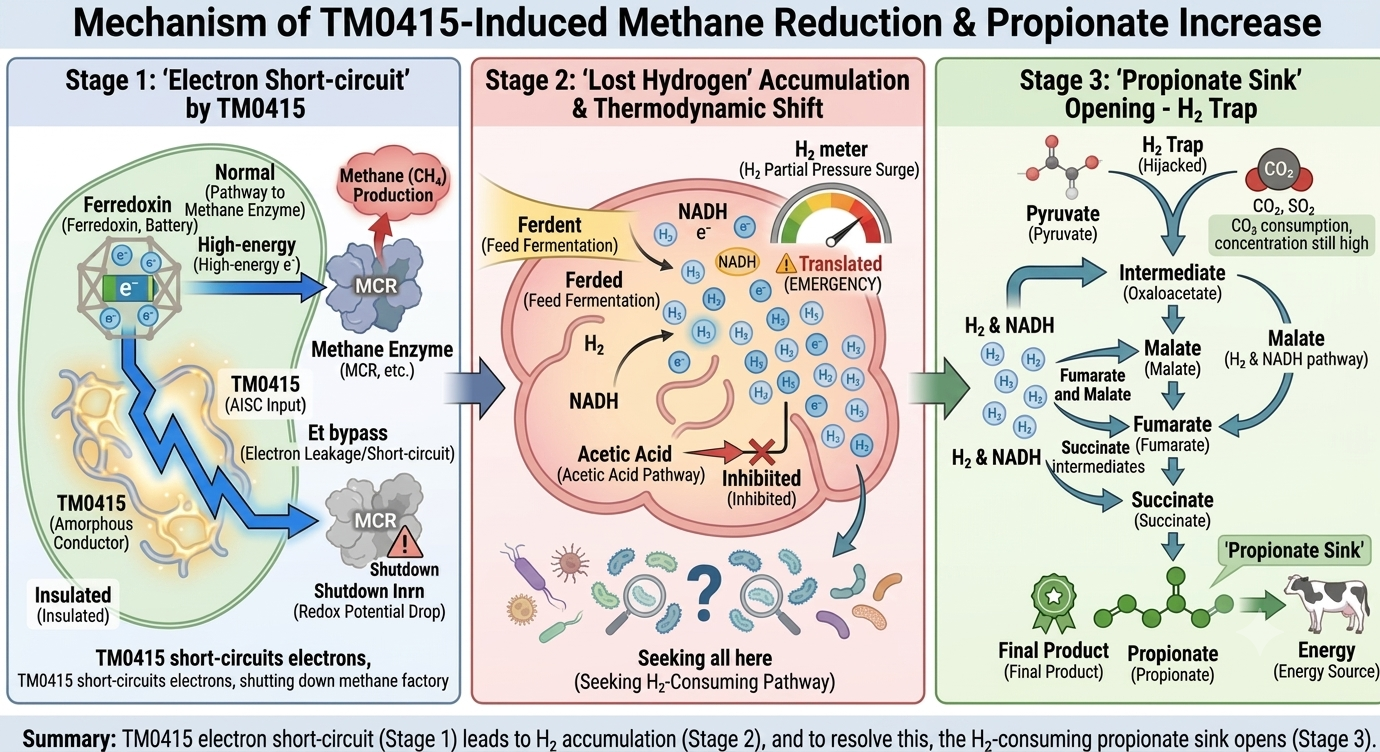
Conventional inhibitors try to block an enzyme. TM0415 does something more fundamental — it cuts the power supply the enzyme depends on.
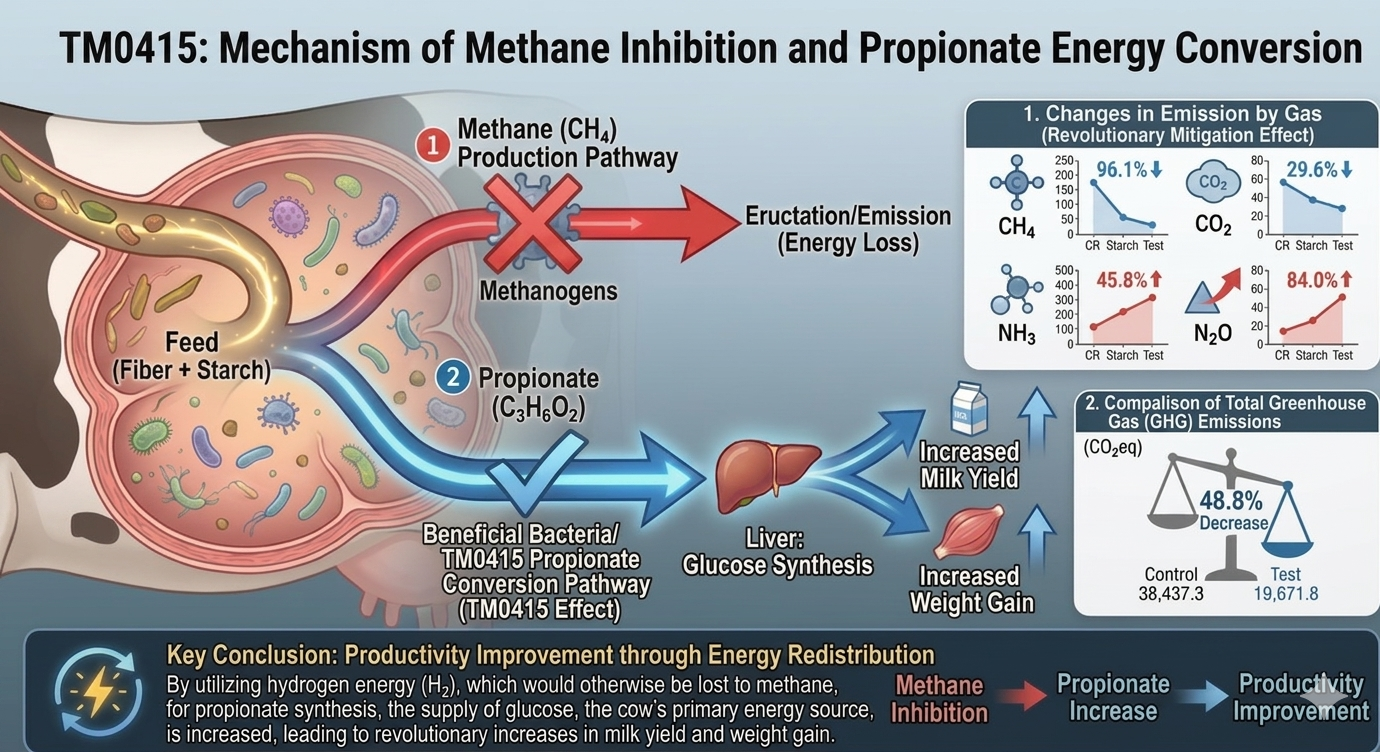
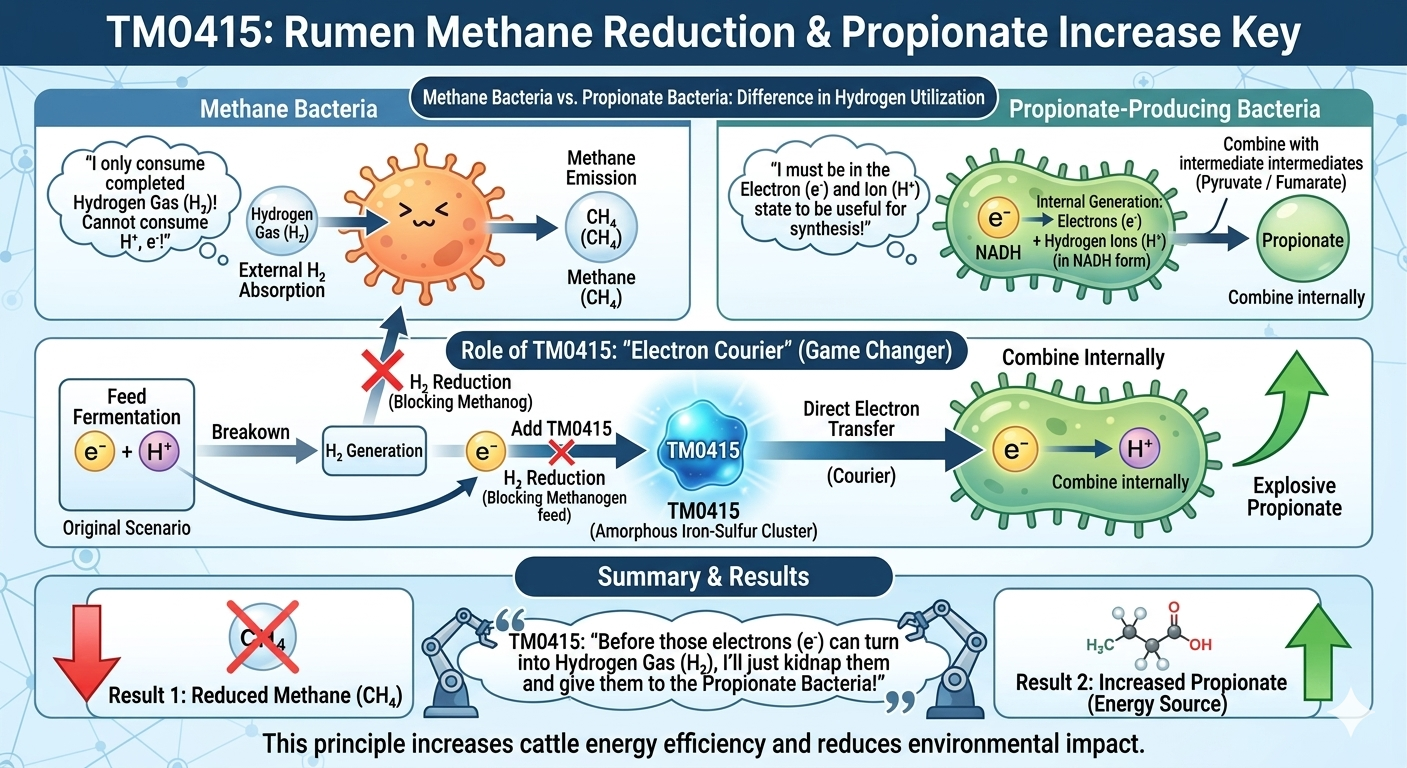
TM0415's high redox potential pulls high-energy electrons away from the ferredoxin pathway — before they ever reach the methanogen's MCR enzyme. Without electrons, the methane factory shuts down.
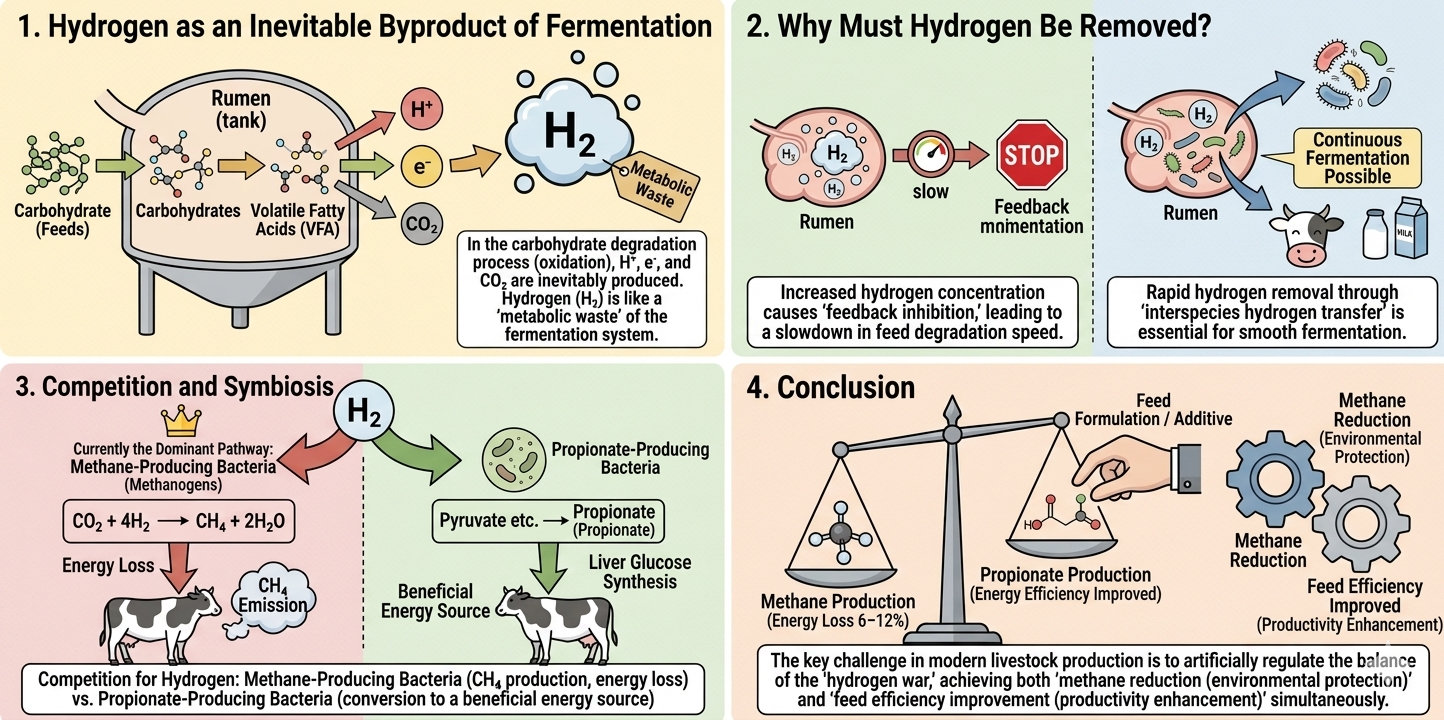
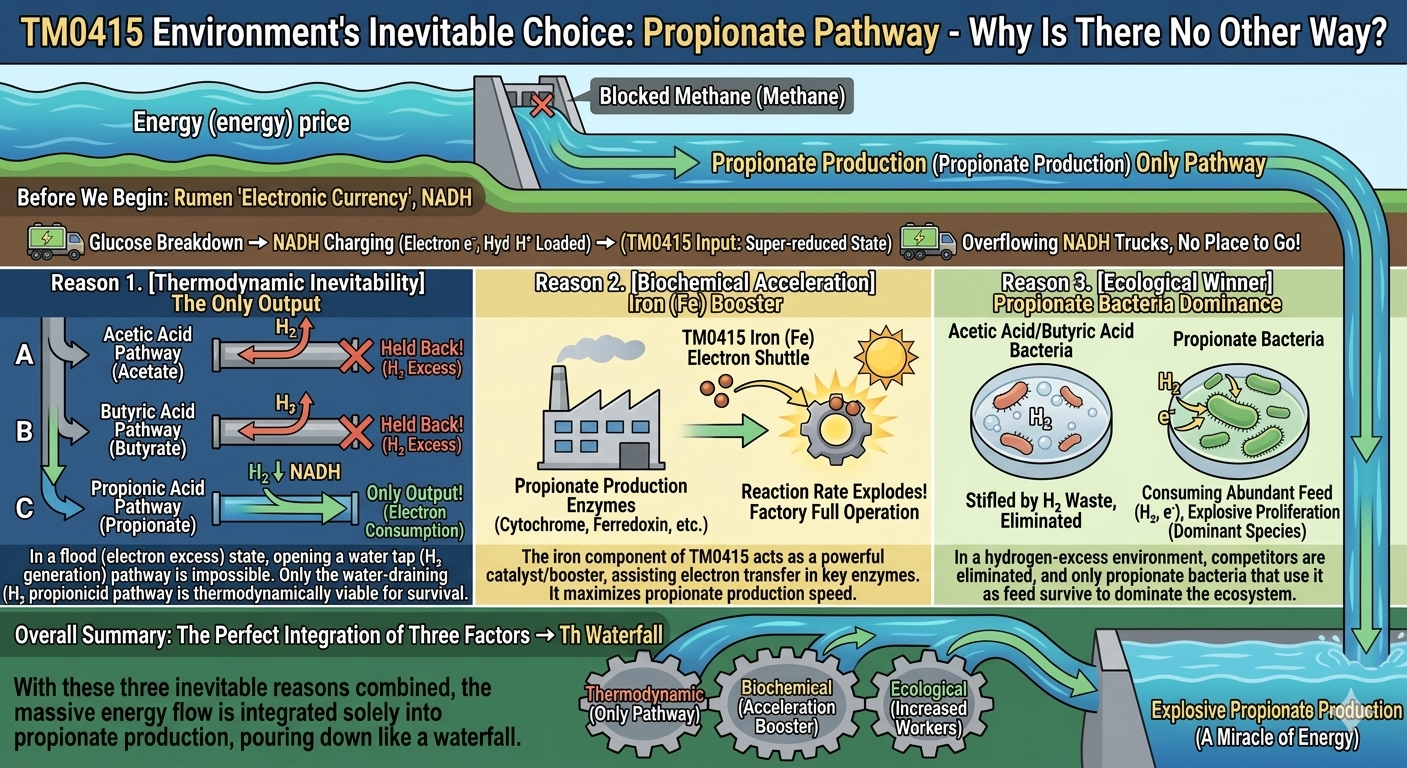
With methanogenesis blocked, hydrogen begins to accumulate in the rumen. The system enters an emergency state, seeking an alternative hydrogen sink to maintain fermentation.
Propionate-producing bacteria step in as the new hydrogen consumer. Wasted electrons are redirected into propionate — a direct energy source the animal absorbs, synthesizes into glucose, and uses to grow.
Because TM0415 works through pure redox potential — not enzyme binding or microbial inhibition — it activates the instant it dissolves in rumen fluid, at concentrations so small they leave feed formulation untouched.
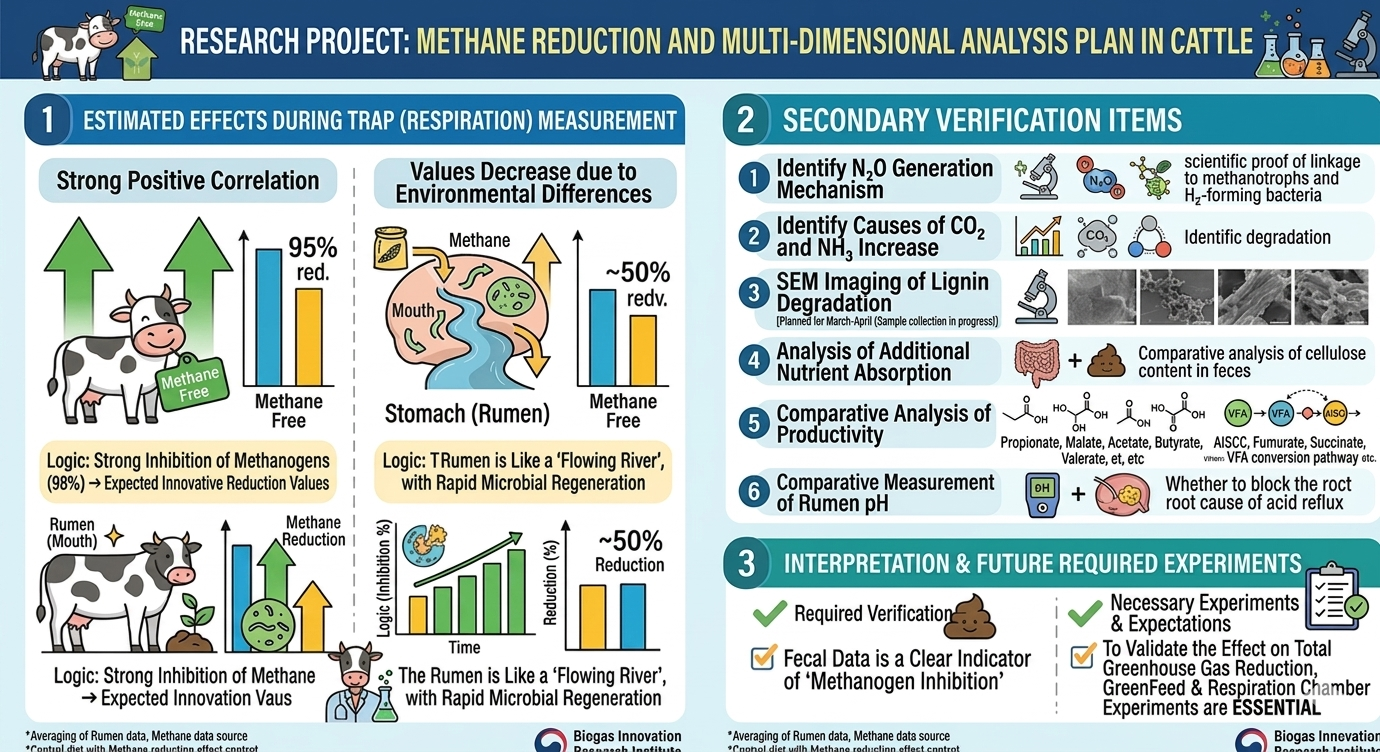
Gas analysis of actual rumen fluid after feeding TM0415 TMF to real cows — not laboratory cultures. The data confirms TM0415 retains its activity all the way through digestion.
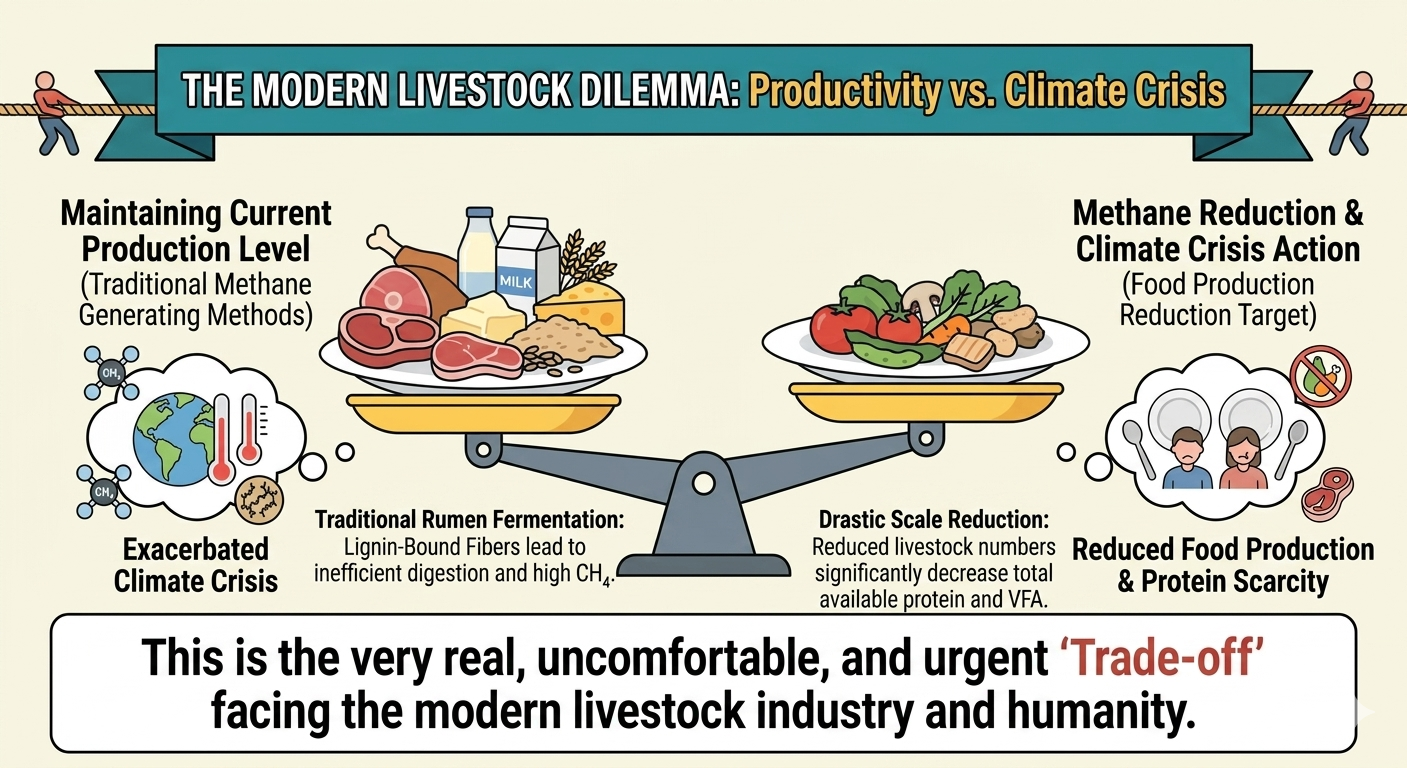
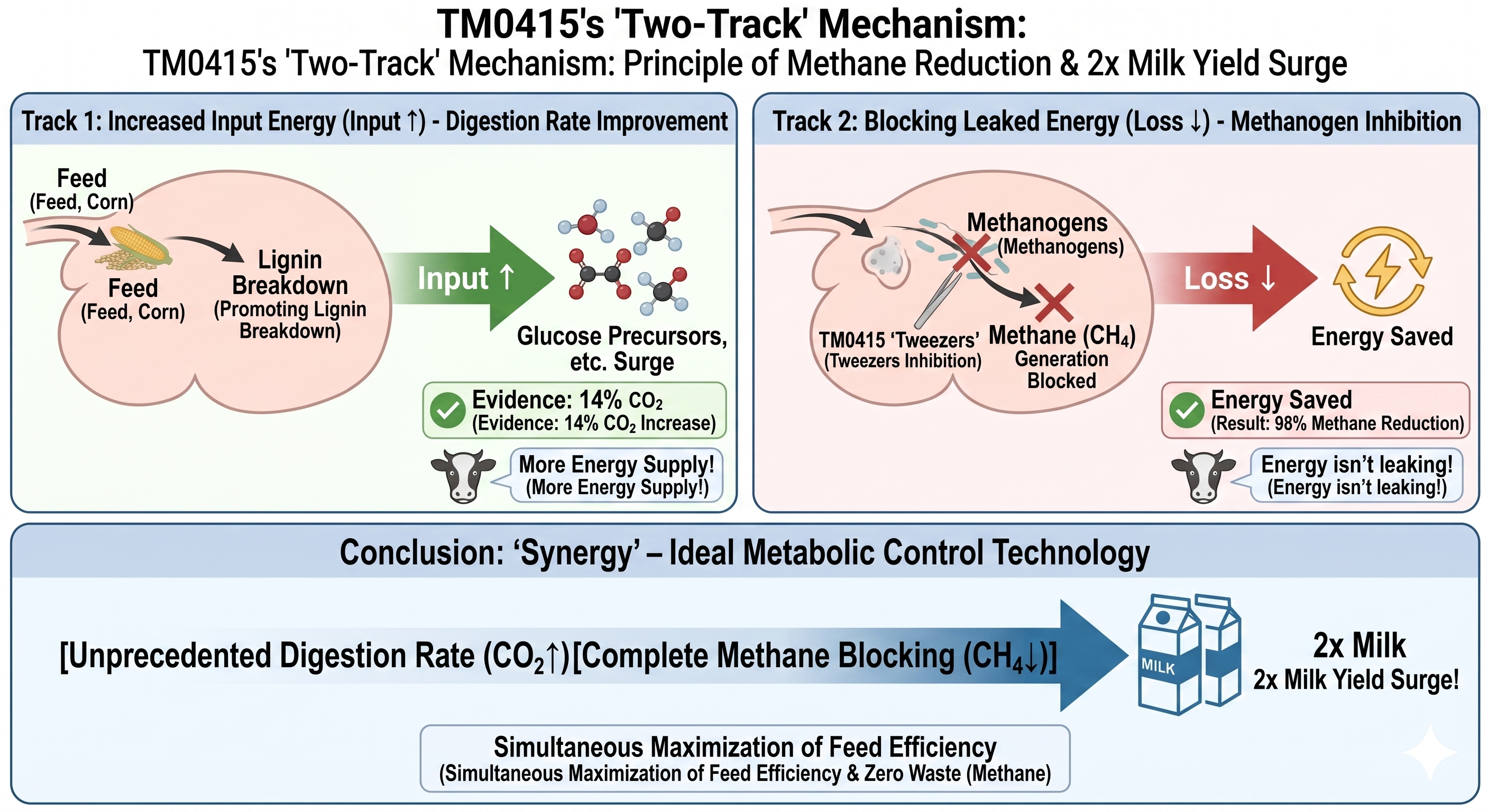
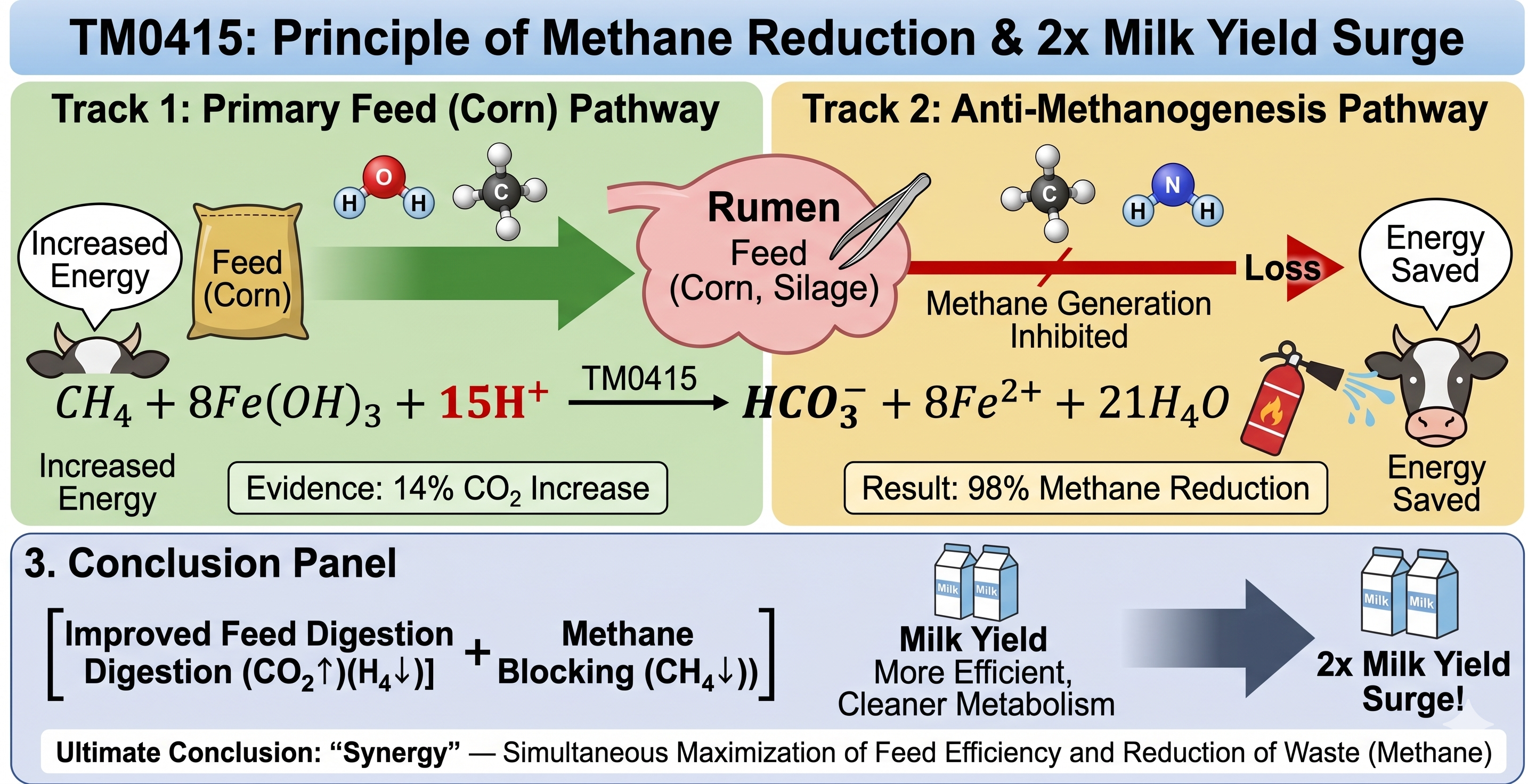
Most methane inhibitors force farmers into a trade-off: less methane, but also less feed efficiency or animal health. TM0415 breaks that trade-off — it reduces methane and redirects the saved energy back into the animal.
TM0415 loosens lignin bonds, letting rumen microbes access more of the carbohydrates in corn silage and hay. More usable glucose, more propionate precursors.
That extra energy can't leave as methane because the methanogen pathway is short-circuited. Instead of venting as belches, it accumulates as productive animal output.
Existing methane inhibitors bind to the MCR enzyme. TM0415 doesn't touch the enzyme at all — it removes the electrons the enzyme needs to function.
| 3-NOP Competitive inhibitor |
Bromoform (seaweed) Active-site blocker |
TM0415 Electron short-circuit |
|
|---|---|---|---|
| Mechanism | Binds MCR active site, mimics substrate | Forms chemical bond with MCR nickel ion | Intercepts electrons before they reach MCR |
| Binds to enzyme? | ● Yes | ● Yes | ● No — non-binding |
| Resistance risk | Possible — enzyme can mutate | Moderate | Extremely low — no binding site |
| Metabolic side effects | Reported in long-term feeding trials | Residual toxicity concerns | Two-Track effect — productivity rises |
| Scalability | Chemical synthesis (moderate cost) | Seaweed cultivation (constrained) | Inorganic synthesis (mass-producible) |
| Feed-storage stability | Stable | Volatile, degrades in feed | Engineered stabilization — oxygen & light resistant |
Because TM0415 works on the fundamental chemistry of the rumen, its effects reach beyond methane alone.
TM0415 doesn't kill microbes or poison enzymes — it redirects energy flow. Animals grow healthier, not weaker.
TM0415 acts as a proton sponge, removing H⁺ accumulation and generating natural bicarbonate buffer — structurally preventing rumen acidosis.
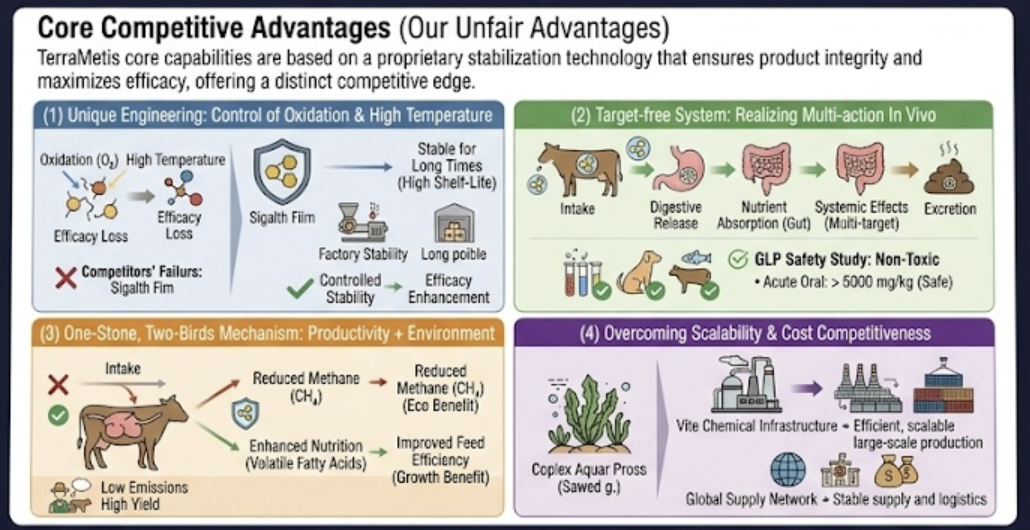
Proprietary stabilization keeps TM0415 inert through storage, pelleting, and transit — then activates only inside the anaerobic rumen.
Unlike seaweed or complex biomolecules, TM0415 can be synthesized at industrial scale with consistent quality and cost structure.
TM0415 maintains electron-interception activity from ingestion through excretion — verified by direct rumen fluid measurements.
Blends into existing total mixed ration feed — no new farm infrastructure, no handling changes for farmers or feed mills.
Trace iron-sulfur clusters lower electron-transfer resistance in the animal's mitochondria, maximizing ATP yield per unit of glucose and reducing oxidative stress.
Hydrogen partial pressure drops vertically within minutes of TM0415 entering the rumen — the methane curve clings to zero, not a prediction but a signature.
Scientists have speculated about iron-sulfur electron interception for decades. The barrier was always the same: these compounds oxidize in minutes when exposed to air or light, and degrade before they ever reach the rumen.
We solved that — with a proprietary stabilization and delivery system that keeps TM0415 chemically inert during manufacturing, storage, and transit, then activates it only inside the oxygen-free environment of the rumen.
Retains full activity through high-temperature pellet processing and long-term feed storage.
Activates only in the anaerobic rumen environment — passes through stomach acid and digestive enzymes intact.
Does not bind to enzymes, does not disrupt beneficial microbes, and leaves no toxic residue in milk, meat, or manure.
Survives 80 °C+ pelleting temperatures and high-pressure extrusion — industrial processes that cause >99% mortality for microbe-based alternatives.
Effective at just 0.12 ppm. Added to standard TMF without altering feed composition, nutrient density, or palatability — a true drop-in.
The ultimate methane mitigation winner has to be effective, scalable, and stable in the real world. Every existing approach compromises on at least one. TM0415 doesn't.
96% rumen-level methane suppression — at the upper bound of what natural solutions achieve — but with the mass-production reliability of an inorganic compound.
Our stabilization and delivery technology solves a materials-science problem that has defeated global research teams for decades. This is the gap that makes the platform commercially viable.
Farmers don't have to choose between the planet and their yield. TM0415's Two-Track effect converts mitigated emissions into productive animal output — turning a cost center into a margin lever.
Blended into standard TMF feed. No infrastructure, no retraining, no behavioral change required at the farm level.
Livestock methane has moved from peripheral concern to central compliance issue. The supply chain is re-pricing risk across every tier — and the feed additive layer is where the change is being implemented.
Signatories committed to a 30% reduction in global methane emissions by 2030. Agriculture is the largest addressable share.
Border adjustment and national reduction targets are flowing into agricultural supply chains via procurement requirements.
Global food and retail brands have declared supply-chain carbon neutrality and are requiring methane reduction solutions from their upstream livestock partners.
Whether you represent a feed mill, dairy cooperative, livestock operator, climate fund, or research institution — we'd like to hear how TM0415 fits your operation. We're actively onboarding pilot partners and strategic collaborators.